How long do floor jacks typically last?
Introduction: The Importance of a Good Floor Jack
A floor jack is a crucial tool for lifting vehicles and other heavy loads safely and efficiently. Whether you’re changing a tire, working under a car, or moving heavy machinery, a reliable floor jack is necessary to get the job done. But as with any tool, you might wonder how long it will last and what you can do to extend its life. Understanding the factors that affect the durability of your floor jack can help ensure it serves you for years to come.
Factors That Affect the Lifespan of a Floor Jack
The lifespan of a floor jack depends on several factors. These include how frequently the jack is used, how well it is maintained, the quality of the materials, and the type of tasks it is used for. Let’s explore each of these factors in more detail.
Frequency of Use
The more often you use a floor jack, the shorter its lifespan. Jacks used daily or weekly will naturally wear out faster than those used only occasionally. If you frequently lift heavy vehicles or machinery, the hydraulic components will face more stress, potentially leading to quicker wear.
Even with high-quality models, such as a Daytona floor jack or a Michelin floor jack, frequent use can eventually affect the longevity of the unit. However, regular use in a professional environment may require more robust models, designed specifically to handle frequent operations.
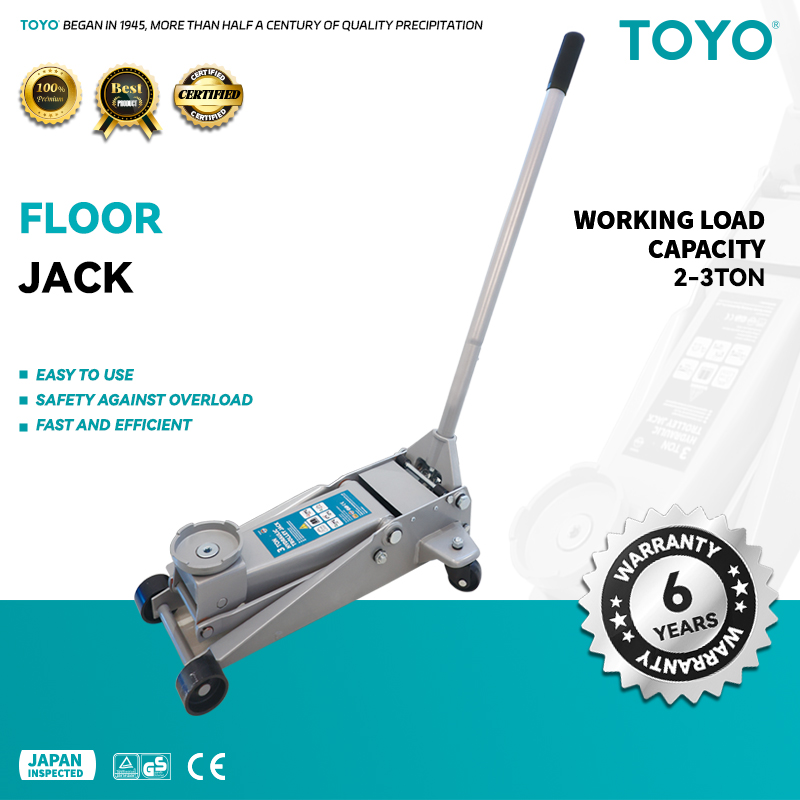
Maintenance and Care
Proper maintenance is the most important factor in extending the lifespan of your floor jack. Like any mechanical tool, floor jacks need regular care to keep them functioning smoothly. Here are some maintenance tips:
- Oil the Jack Regularly: Regular lubrication ensures that the hydraulic components run smoothly. Without proper lubrication, the pump can seize up, reducing the jack’s effectiveness.
- Check for Leaks: Leaking hydraulic fluid can lead to loss of pressure, which is essential for lifting. Check your jack for leaks regularly and address any issues immediately.
- Clean the Jack: Dust, dirt, and debris can accumulate on the floor jack over time, causing the components to wear out more quickly. Wipe down the jack after each use and store it in a clean, dry place.
- Inspect for Damage: Check for any visible signs of wear, cracks, or corrosion. Address any issues before they escalate.
Quality of Materials
The materials used in the construction of a floor jack play a major role in its durability. High-quality jacks, such as the Daytona floor jack, are made from durable steel and aluminum, which help resist corrosion and wear over time. On the other hand, cheaper models may use lower-quality materials, which can lead to rusting, cracking, and premature failure.
Choosing a reputable brand is essential for ensuring your floor jack lasts as long as possible. While Michelin floor jacks are known for their longevity and reliability, even the best models need regular maintenance to achieve maximum lifespan.
The Type of Jack and Its Design
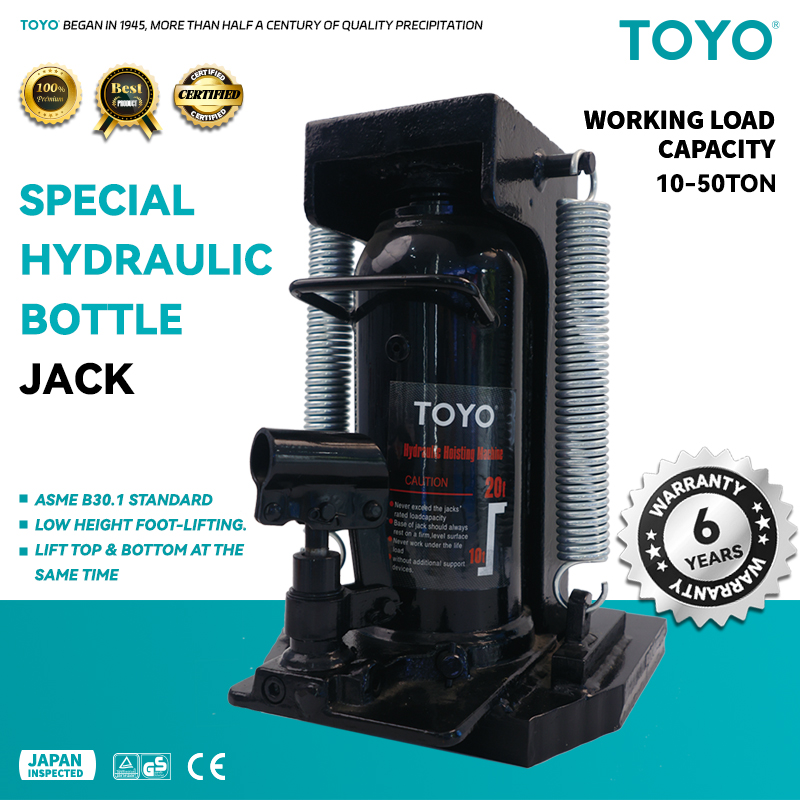
Different types of floor jacks have different expected lifespans. For example, a construction jack, typically used for lifting heavy loads like machinery, is built with more robust components than a standard car jack. These heavy-duty jacks are designed to withstand greater pressure and are likely to last longer in demanding environments.
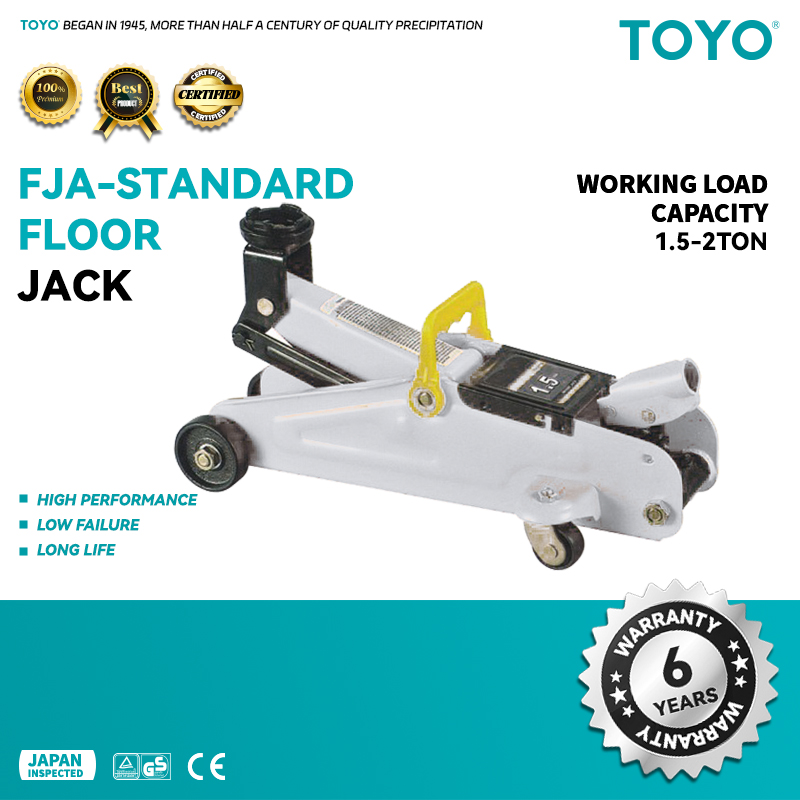
Lighter-duty jacks, such as those used for lifting cars, are not intended for the same level of heavy lifting and might have a shorter lifespan if used for tasks beyond their design specifications.
How Long Do Different Types of Floor Jacks Last?
Now that we know the factors that affect the lifespan of a floor jack, let’s take a closer look at how long different types of jacks typically last.
Standard Floor Jacks
A standard Michelin floor jack, used for lifting vehicles like cars and small trucks, can typically last between 5 to 10 years with proper care. The longevity depends on how often the jack is used and whether it is maintained regularly. Michelin floor jacks are built with high-quality materials, ensuring they hold up well with regular maintenance.
Heavy-Duty Floor Jacks
The Daytona floor jack is known for its strength and durability, designed for heavier loads. With proper maintenance, these jacks can last up to 10 years or more. Heavy-duty models are built with stronger materials and are designed to handle higher weights and more frequent use. These jacks are ideal for professional use and are often seen in workshops and garages.
Construction Jacks
Construction jacks, used in industries like construction and manufacturing, are built to handle very heavy loads. These jacks are typically designed to last much longer than lighter-duty jacks. With proper care, a construction jack can last 15 years or more, especially if it is used in a controlled environment and maintained well. These jacks are more resistant to wear and tear due to their robust design.
How to Extend the Life of Your Floor Jack?
To get the most out of your floor jack, follow these tips for maintenance and care:
- Regular Inspections: Check the hydraulic fluid and test the jack’s lifting mechanism regularly.
- Store Properly: Store your jack in a dry, cool place away from moisture and corrosive substances.
- Don’t Overload: Never exceed the rated weight capacity of the jack. Overloading can cause premature wear and damage the hydraulic system.
Conclusion
The lifespan of a floor jack depends on various factors such as its quality, frequency of use, and maintenance. On average, a floor jack can last anywhere from 5 to 15 years, depending on the type and how well it is cared for.
.png)
评论
发表评论